Yes, you can visit wineries in Tuscany without a tour.
That is the honest answer.
But here is the part most travelers discover only after they start planning: Tuscany does not work like many wine regions in the United States, Australia, or South Africa, where you can often drive from one cellar door to the next, walk in, pay for a tasting, and build the day as you go.
In Tuscany, especially if you want to visit real family-run wineries, small producers, historic cellars, or estates outside the most commercial routes, the answer becomes more nuanced.
Can you do it yourself? Yes.
Is it always easy, efficient, relaxing, or as authentic as you imagine? Not necessarily.
I have spent years helping travelers discover Tuscan wine country, and I can tell you that the difference between a beautiful DIY wine day and a frustrating one often comes down to a few very practical details: reservations, driving distances, opening hours, language, winery selection, and knowing what kind of visit you are actually booking.
So before you rent a car, pin five wineries on Google Maps, and picture yourself casually walking into ancient cellars between Florence and Siena, here is what you should know.
Table of Contents
First: What Does “Visit a Winery” Mean in Tuscany?
This may sound obvious, but it is not.
A winery visit in Tuscany can mean very different things.
It might be a simple tasting at a counter. It might be a guided tour of the cellar. It might include a vineyard walk, food pairings, lunch, olive oil, old vintages, barrel samples, or a conversation with the winemaker. At some places, you are welcomed by a member of the family. At others, you meet a hospitality team trained to receive many visitors each day.
None of these options is automatically better or worse. They are just different.
But if your dream is to meet small producers, understand the landscape, taste wines in the place where they are made, and feel something personal rather than transactional, you need to plan more carefully.
The smaller and more authentic the winery, the less likely it is to work like a public tasting room.
Often, there is no “front desk”. The person receiving you may also be the person pruning vines, managing the cellar, preparing shipments, or picking up children from school. That is part of the charm… but it also means you cannot always just show up.
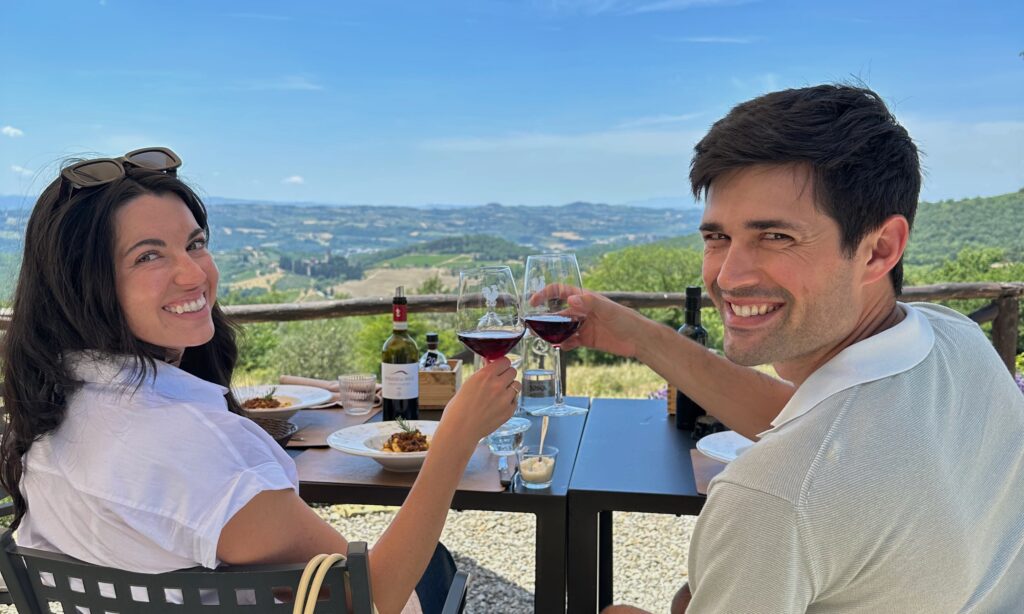
Can You Just Walk Into Wineries in Tuscany?
Sometimes, yes.
But you should not build your whole day around that assumption.
In more tourist-oriented towns, or at larger estates with structured hospitality departments, walk-ins may be possible, especially in high season. Some wineries have tasting rooms, wine shops, or restaurants where visitors can arrive without too much planning.
But many of the best Tuscan wine experiences (the ones travelers usually imagine when they dream of authentic Tuscany) are by appointment only.
This is especially true for small family wineries in Chianti Classico, Carmignano, Montalcino, Montepulciano, and other historic wine areas. These producers often prepare the visit around your arrival time. They may open the cellar for you, organize the tasting personally, or arrange food if requested. If you arrive unannounced, they may be unavailable, closed, fully booked, or simply busy working.
And honestly, that is not bad hospitality. That is real winery life.
A vineyard is not a museum. It is a farm.
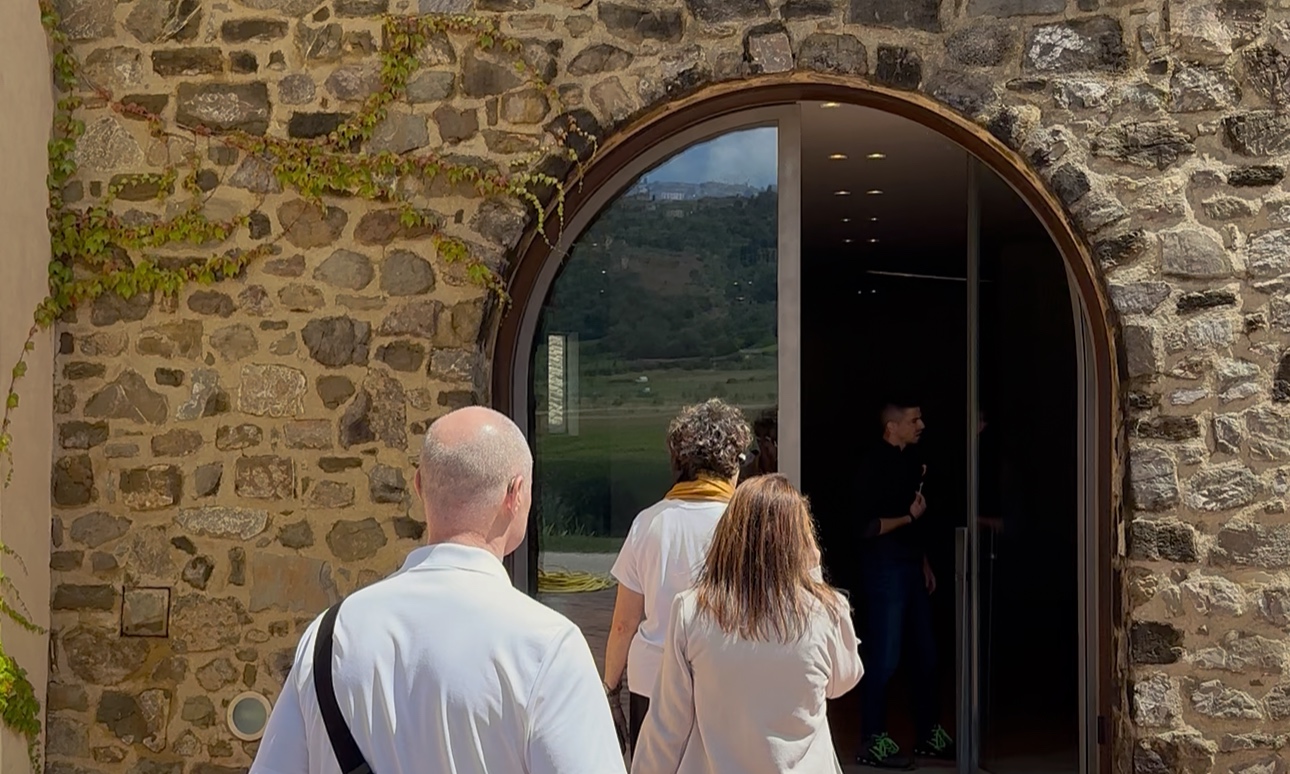
Do You Need Reservations?
For most meaningful winery visits in Tuscany, yes.
A reservation does several important things.
It confirms that the winery is open. It confirms that someone is available to receive you. It clarifies the type of experience: tasting only, cellar tour, vineyard walk, lunch, private visit, group tasting, or something more in-depth. It also avoids the awkward situation of arriving after a long drive and discovering that the estate is closed for bottling, harvest work, a private event, or simply a day off.
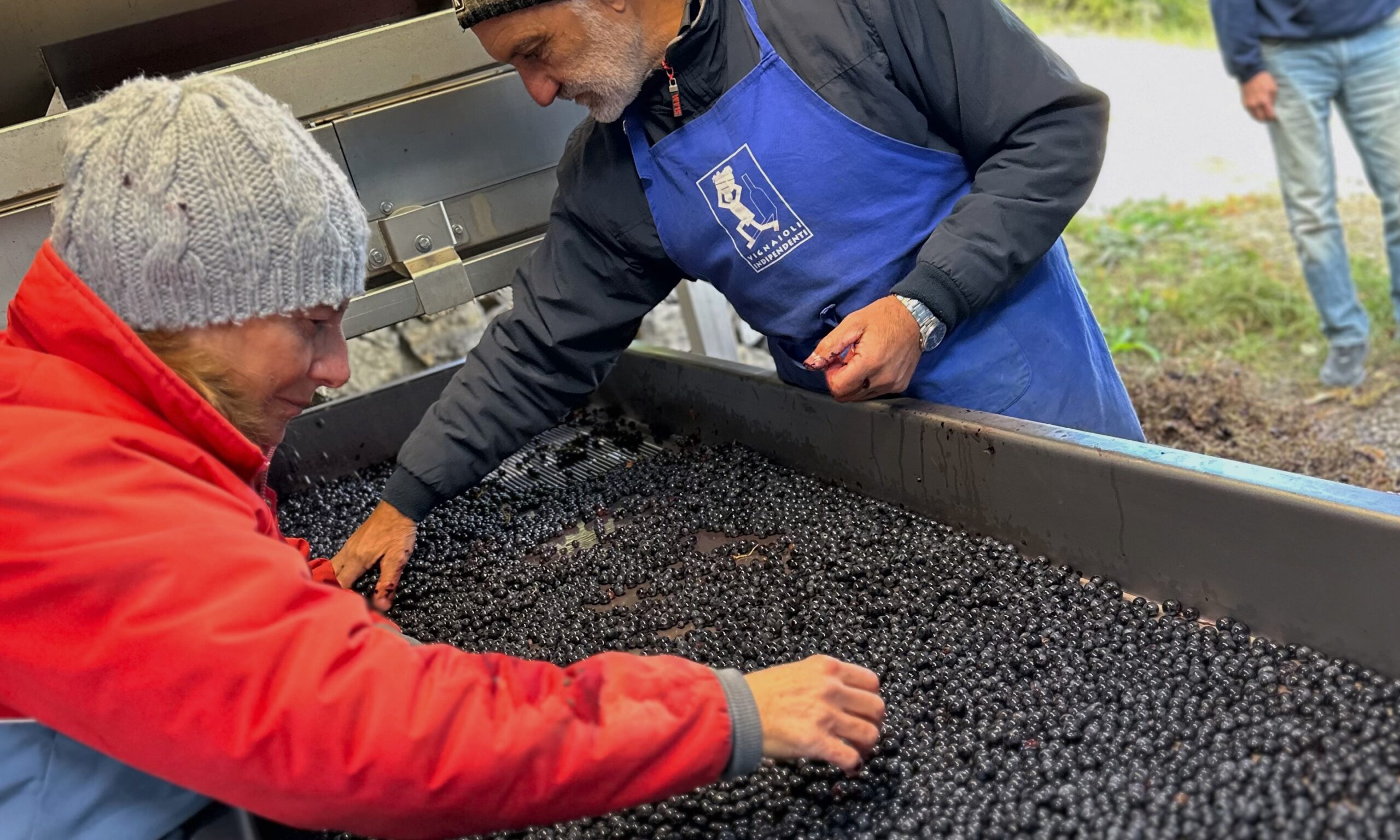
This is especially important if you are traveling in spring, early summer, September, or October… the months when Tuscany is beautiful but wineries are also very busy. During harvest season, producers may be dealing with grapes arriving, fermentation starting, tanks being monitored, and long days in the cellar. Some wineries still welcome visitors, but timing becomes even more delicate.
My advice: if you are planning a DIY wine day, book fewer wineries and book them properly.
Two good visits are better than three or four rushed ones.
The Language Issue: Will Everyone Speak English?
In many wineries, yes. In some, beautifully.
But not always.
Tuscany is very used to international visitors, especially in famous regions like Chianti Classico and Montalcino. Many wineries have English-speaking staff or family members who can guide you through the tasting.
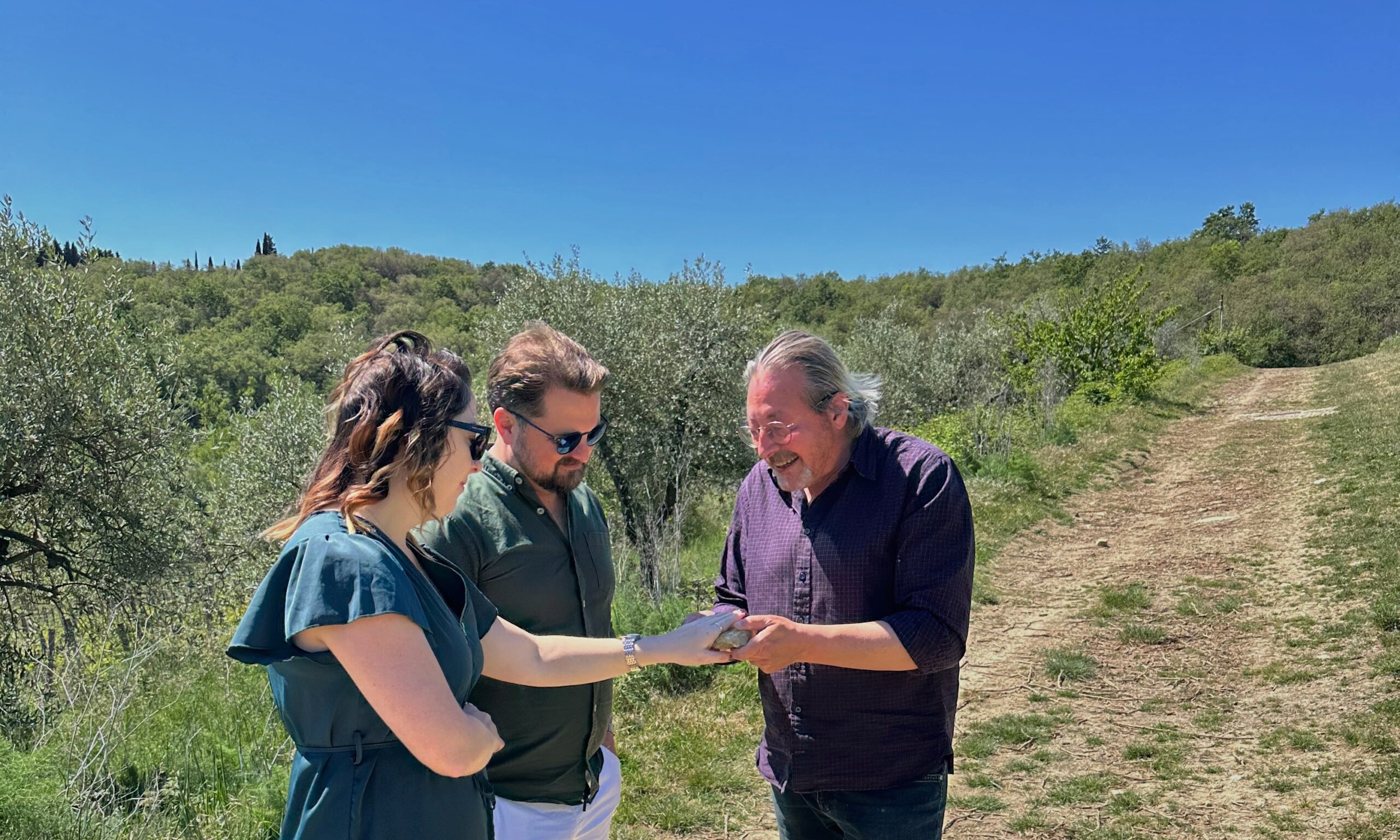
However, at smaller or more rural estates, English may be limited. And even when English is spoken, there is a big difference between understanding the basic explanation and really connecting the dots between grape variety, soil, exposure, altitude, vintage, winemaking choices, and local history.
This is where many DIY visitors miss something important.
They taste good wine, but they do not always understand why it tastes that way.
They hear Sangiovese, galestro, ageing, altitude, tradition or family estate, but the ideas remain separate. A good guide turns those separate pieces into a story that makes sense.
That does not mean you cannot enjoy a tasting alone. Of course you can. But if your goal is to learn (not just taste) language and interpretation matter.
Opening Hours Are Not Always Traveler-Friendly
Another thing travelers often underestimate: wineries are not open all day like shops.
Many visits happen in set time slots, commonly in the morning or afternoon. Lunch breaks are real. Sundays can be difficult. Smaller producers may not receive visitors every day. Some wineries close on certain weekdays. Others require advance notice for English-language visits or food pairings.
This can make DIY planning tricky.
For example, you may find one winery available at 10:30, another at 12:00, and a third at 3:00, but if they are 40 minutes apart, and lunch is somewhere else, suddenly your romantic Tuscan wine day becomes a scheduling exercise.
And Tuscany is not a place you want to experience with one eye constantly on the clock.
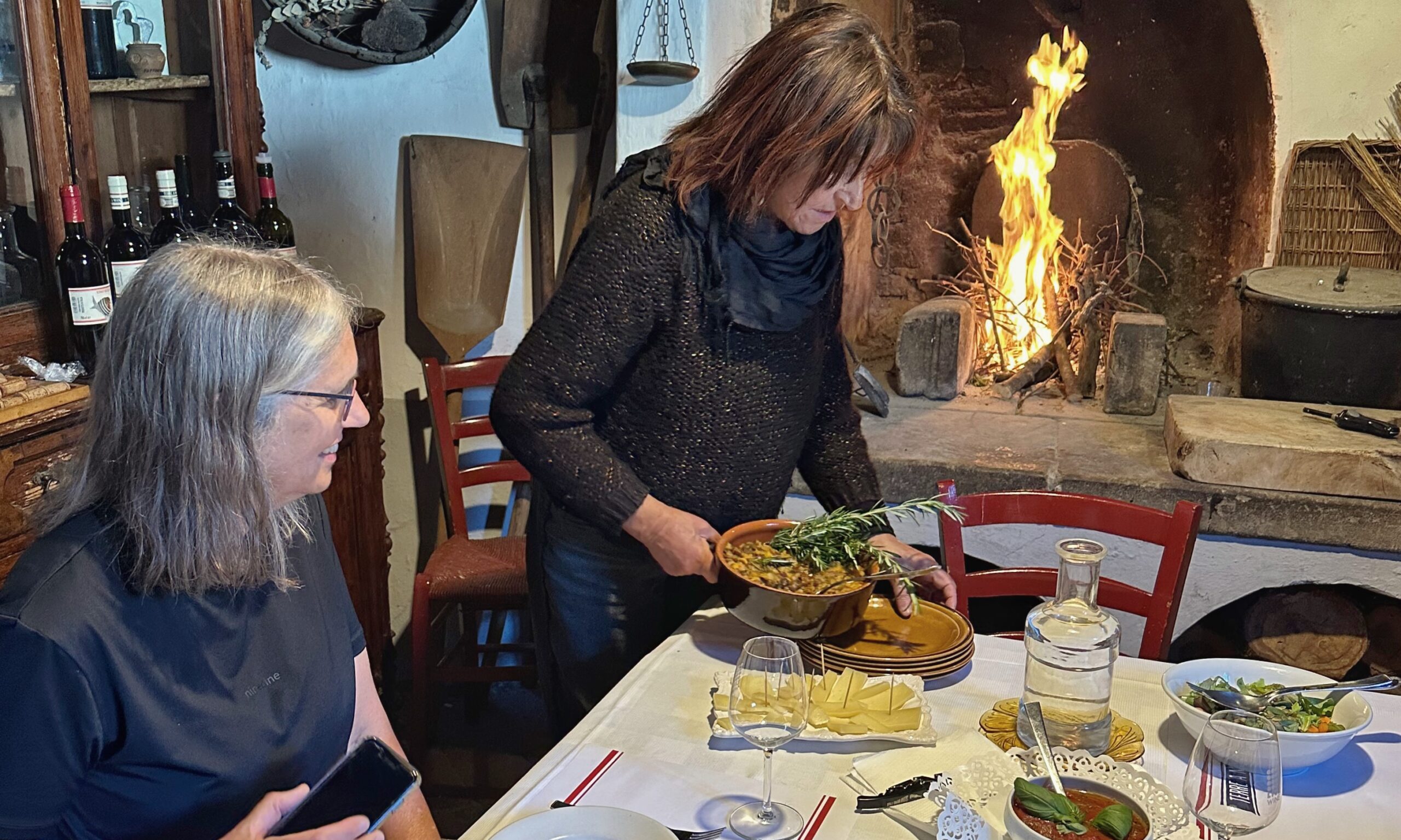
Distances: Tuscany Looks Small Until You Start Driving
On a map, everything in Tuscany looks close.
In reality, wine roads are often slow, winding, and rural. A short distance in kilometers can take longer than expected, especially if you are driving through hills, villages, gravel roads, or scenic routes where you naturally want to stop for photos.
If you are based in Florence, Chianti Classico is usually the most realistic DIY wine region for a day trip. You can reach parts of the region in about 45 minutes to an hour, depending on the exact village or winery. But even inside Chianti Classico, moving between Greve, Panzano, Castellina, Radda, Gaiole, or Lamole takes time.
Montalcino is farther. Montepulciano is farther still. Bolgheri requires a longer drive toward the coast. Carmignano is geographically close to Florence but less obvious to understand without context, because it is small, historic, and often overlooked by casual travelers.
If you are based in Siena, the picture changes. Chianti Classico, Montalcino, and Montepulciano all become more accessible, but you still need to plan carefully. Montalcino from Siena is much easier than from Florence. Montepulciano can work well from southern Tuscany or Val d’Orcia. Chianti Classico is ideal if you are staying between Siena and Florence.
The problem is not just the distance.
The problem is creating a day that has rhythm.
A good wine day needs time to arrive, listen, taste, ask questions, eat properly, enjoy the view, and move calmly to the next place. If you try to “collect” wineries, you often lose the pleasure of being there.
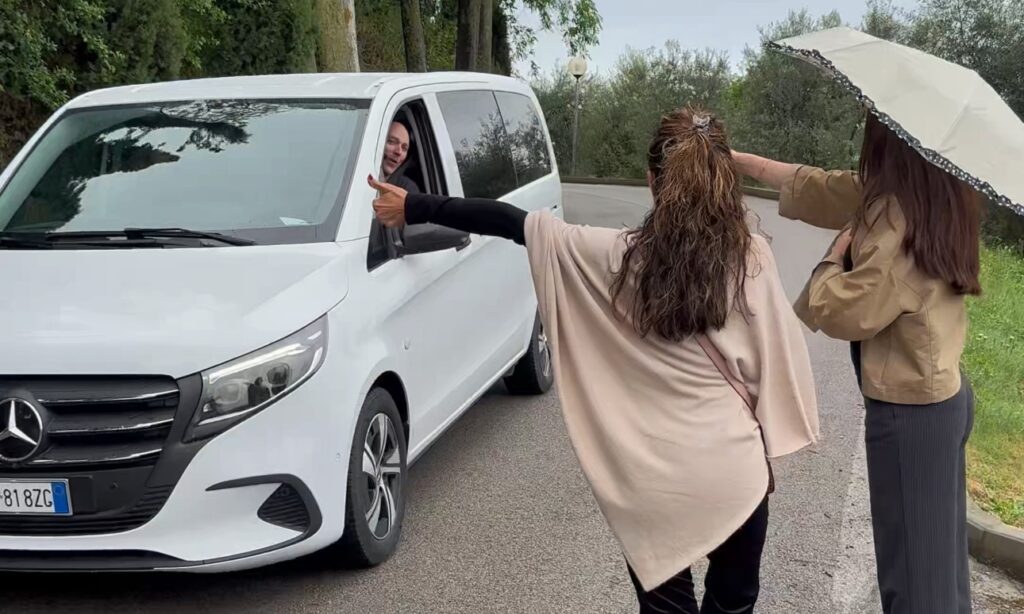
Driving After Tastings: The Practical Issue Nobody Loves to Discuss
If you are doing a wine tour without a guide or driver, someone has to drive.
That person will either drink very little, spit carefully, or skip many wines altogether. This is absolutely possible, and responsible travelers do it all the time.
But it changes the experience.
Tuscan tastings can be generous. You may taste several wines at each estate. Add lunch, olive oil, maybe a dessert wine, and the day becomes less simple than it looked on paper.
This is one of the most practical reasons travelers choose a private or small-group tour. It is not only about comfort. It is about allowing everyone to participate fully and safely. rushed and forgettable. A half-day should feel like an appetizer, not a compressed main course.
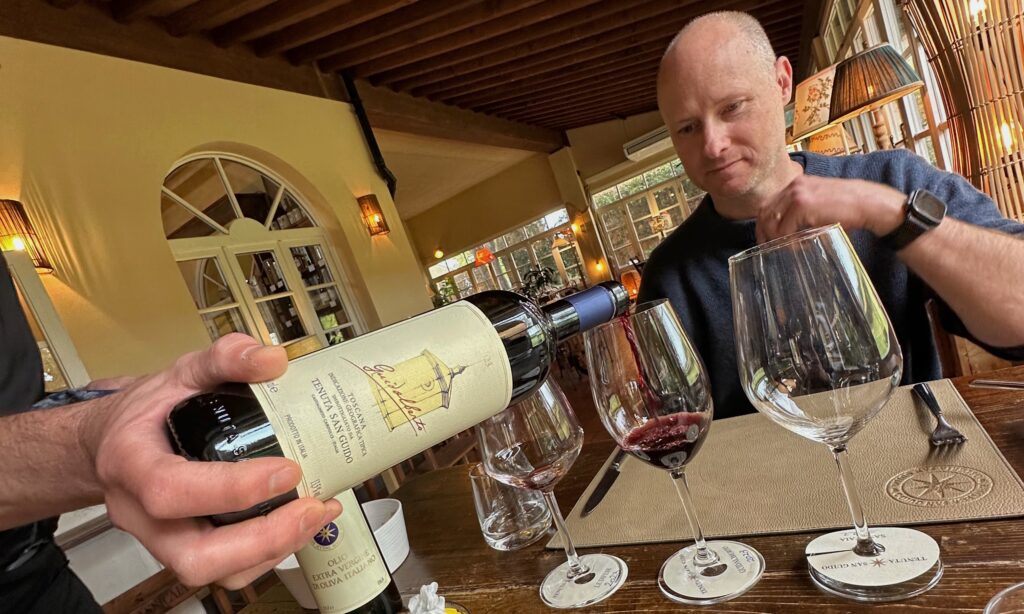
Choosing the Right Wineries Is the Real Challenge
Many travelers focus on the question: “Can I visit wineries without a tour?”
The better question is: “Which wineries should I visit?”
This is where the DIY approach becomes more complicated.
There are famous estates, boutique producers, organic farms, luxury wineries, historic cellars, modern architectural projects, small natural-leaning producers, family homes, panoramic tasting rooms, and very commercial operations. Some are excellent. Some are beautiful but impersonal. Some are famous for a reason. Others are famous because they are easy to market.
A good itinerary is not just a list of top wineries.
It should have contrast.
For example, in Chianti Classico, you might want one estate where you understand the landscape, one producer where you see a more traditional cellar, and one tasting that includes lunch or local food. In Montalcino, you might want to compare different sides of the hill rather than visit three producers with the same style. In Montepulciano, you may want to combine Vino Nobile with the town, the Val d’Orcia, or a lunch with a view. In Carmignano, the magic is often in understanding why this tiny denomination matters historically and why Cabernet here is not just a modern fashion.
This is the part that most travelers cannot easily see from a website.
A winery page tells you what that winery offers. It does not tell you whether it fits your day, your level of wine knowledge, your pace, your group, your lunch expectations, your driving route, or the other wineries you are visiting.For Montalcino or Bolgheri, keep the same rhythm but reduce extras.
When a DIY Wine Day Makes Sense
A DIY wine day can be a very good idea in some situations.
It may work well if you have your own car, one person is happy to drive responsibly, you are comfortable booking directly, you only want one or two simple tastings, and you are not trying to cover too much territory.
It can also work if you are staying in the countryside near the wineries. For example, if you are already based near Greve, Panzano, Radda, Montalcino, Montepulciano, or San Gimignano, visiting one nearby estate can be easy and enjoyable.
DIY can also be perfect if you are not looking for a full wine day. Maybe you simply want a nice tasting, a pretty view, and a few bottles to bring back. That is completely valid.
Not every wine moment needs to be deep.
Sometimes a glass in the right place is enough.
When a Tour Makes More Sense
A tour makes more sense when you want the whole day to feel seamless.
It is especially useful if you are based in Florence and want to visit more than one winery without worrying about driving. It also makes sense if you care about small producers, meaningful conversations, and a route that has been designed with logic rather than just availability.
A good private wine tour should not feel like being processed through a system. It should feel like someone has understood what kind of traveler you are.
Are you wine beginners who want the basics explained without snobbery? Are you collectors who want depth? Are you traveling with children or non-drinkers? Do you care more about food, scenery, history, organic farming, famous labels, hidden gems, or meeting the people behind the wines?
These questions matter.
And they are not always solved by booking the most famous winery you found online.
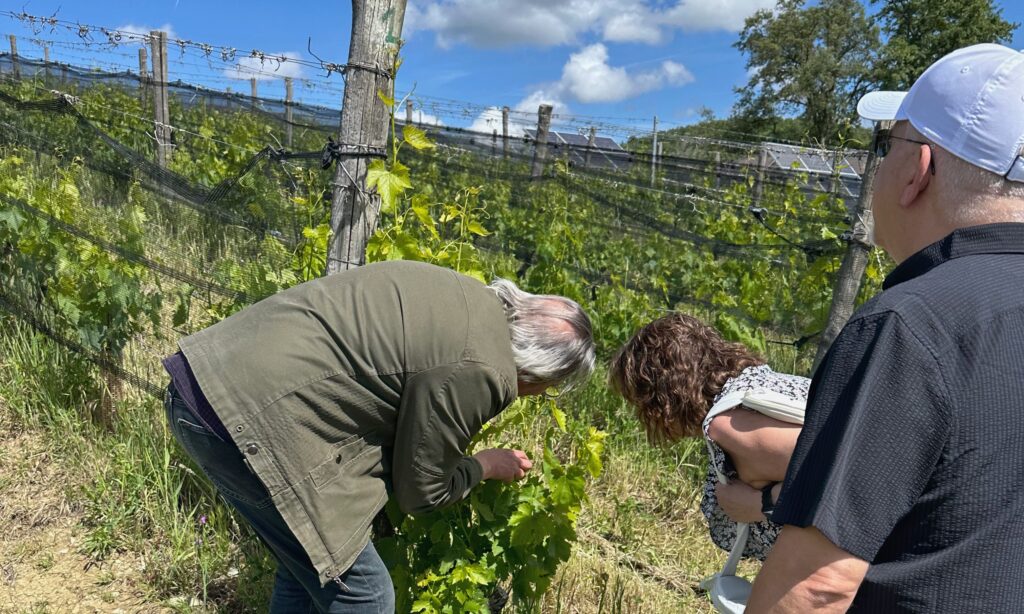
What Most Travelers Don’t Realize
The biggest misconception is that the tour itself is the product.
It is not.
The real value is the design of the day.
A great Tuscan wine day is made of dozens of small decisions: which area to visit, which producers to include, how much time to leave between stops, where to eat, what order makes sense, how to balance famous places with intimate ones, when to talk, when to let the landscape do the work, and how to make the experience feel personal rather than scheduled.
This is why, theoretically, you can visit wineries in Tuscany without a tour.
But practically, many travelers end up choosing a guide because they do not just want access. They want context.
They want the day to make sense.
A Practical Example: Based in Florence
If you are staying in Florence and want to do it yourself, Chianti Classico is usually the easiest choice.
You might book one winery in the late morning, have lunch in a village or at an estate, then visit a second winery in the afternoon. Keep the route tight. Do not try to combine Chianti Classico and Montalcino in one casual DIY day. Do not book wineries simply because they look close on the map.
Choose a limited area: Greve and Panzano, or Castellina and Radda, or a focused route toward Lamole if you are comfortable with hill roads.
If you want to visit small wineries, reserve well in advance. If you want lunch at a winery, ask exactly what is included. If you want cellar access, confirm it. If English is important, say so when booking.
And if you want everyone to taste freely, think seriously about transportation.
A Practical Example: Based in Siena or Southern Tuscany
If you are based in Siena, you have more options.
Chianti Classico is close. Montalcino becomes very manageable. Montepulciano can also work, especially if you want to combine wine with the Val d’Orcia or Pienza.
Still, the same rule applies: do not overpack the day.
A good Montalcino day might include two wineries with different styles and a proper lunch. A good Montepulciano day might include one cellar near town, one countryside estate, and time to walk the historic center. A good Chianti Classico day might focus on villages, vineyards, and producers that show different sides of Sangiovese.
The best wine days are not built by adding more stops.
They are built by choosing better ones.
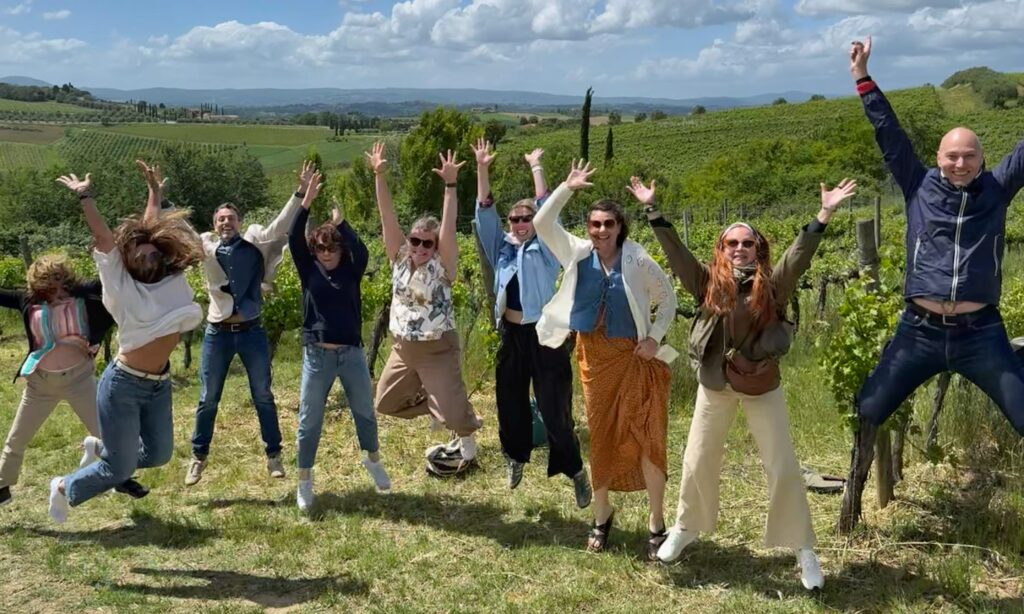
So, Should You Visit Wineries in Tuscany Without a Tour?
You can.
And in the right situation, you should.
If you enjoy planning, have a car, are comfortable making reservations, and want a simple day with one or two tastings, a DIY winery visit can be wonderful.
But if you want to go deeper (to understand the region, meet the right producers, avoid logistical stress, taste safely, and experience wineries that feel personal rather than generic) then a guided private or small-group experience may give you much more than transportation.
Not because you cannot do it alone.
But because Tuscany rewards good connections.
And the best doors here do not always look like doors from the outside.
Before You Decide: Download Our Free Private Wine Tour Guide
TheIf you are still deciding between a DIY wine day and a private wine tour, we created a free guide to help you think clearly before booking anything.
Download our free PDF: Your First Private Wine Tour in Tuscany: What to Expect, What to Ask, and How to Make It Yours.
It will help you understand how private wine tours work, what questions to ask, how to compare options, and how to design a day that fits your pace, your group, and your curiosity.
Whether you book with us or plan your own route, the goal is the same: a better day in Tuscany.
FAQ
Can you visit wineries in Tuscany without a tour?
Yes. You can visit wineries in Tuscany without a tour, but most meaningful visits require advance reservations. Walk-ins may be possible at larger or more tourist-oriented wineries, but small family estates often receive guests by appointment only.
Do you need reservations for wineries in Tuscany?
In most cases, yes. Reservations are strongly recommended, especially if you want a guided cellar visit, vineyard walk, lunch, food pairing, private tasting, or English-speaking host.
Can you just walk into wineries in Chianti?
Sometimes, but you should not rely on it. Some larger wineries or wine shops may accept walk-ins, especially in high season, but many authentic Chianti Classico estates require appointments.
Is a DIY wine tour in Tuscany easy from Florence?
Chianti Classico is the most realistic DIY option from Florence, but you still need to plan carefully. Montalcino, Montepulciano, Bolgheri, and other regions require more driving time and better logistics.
Is it safe to drive after wine tastings in Tuscany?
Someone in the group must drive responsibly, taste very little, or spit during tastings. If everyone wants to enjoy the wines freely, booking transportation or a guided tour is a better option.
Which Tuscan wine region is best for a DIY day?
From Florence, Chianti Classico is usually the easiest. From Siena, Chianti Classico, Montalcino, and Montepulciano are all possible with careful planning. The best choice depends on your base, interests, and how much driving you want to do.
Are winery visits in Tuscany usually in English?
Many wineries offer visits in English, especially in well-known regions, but not all. Always confirm when booking. Smaller producers may have limited English availability.
Is a private wine tour worth it in Tuscany?
A private wine tour is worth it if you want a curated itinerary, safe transportation, better access to producers, deeper context, and a day designed around your group rather than a fixed schedule.
Can I visit small wineries without a guide?
Yes, but you need to research carefully and book ahead. Many small wineries are not open for casual walk-ins, and availability can depend on the season, harvest work, family schedules, and staffing.
How many wineries should you visit in one day in Tuscany?
Two wineries plus lunch is often ideal. Three can work if the itinerary is well designed and distances are short. More than three usually feels rushed and reduces the quality of the experience.
Stay in Touch
📲 Follow us on Instagram and Facebook for more wine adventures, travel tips, and exclusive experiences!
See you in Tuscany! 🍷